


Child & Teen Therapy
In Montana and Washington
For kids and teens navigating loss, trauma, major transitions, and the big feelings that can come with them.
DYLAN SPRADLIN, MA, MSW, LCSW, LICSW (they/them)
When something has changed — and your child has changed with it.

Sometimes something happens in a child’s life and they just don’t seem to find their footing again.
A death. A divorce or separation. A move. A frightening experience. A major family change. A loss that other people may not even fully understand as a loss.
Sometimes you know exactly what happened.
And sometimes all you know is that your kid is different.
They’re exploding over things that never used to be a problem.
They’re angry, reactive, refusing, slamming doors, melting down, or suddenly impossible to reach.
Or they’ve gone the other direction.
They’re clingy. Anxious. Afraid to be alone. Asking the same worried questions over and over. Struggling with sleep. Needing you constantly. Holding it together everywhere else and falling apart at home.
Sometimes they do both.
The behavior may look confusing from the outside.
Usually, it makes a lot more sense once we understand what is happening underneath it.
Kids do not always use words to tell us what is wrong.
Especially when what happened was overwhelming, confusing, frightening, or simply too big to make sense of yet.
Younger children may tell us through play.
Through movement. Behavior. What they repeat, avoid, hide, knock down, rescue, bury, build, destroy, protect, or show us sideways.
Older kids and teens may talk more—but not necessarily while sitting politely in a chair explaining their feelings.
They may communicate through humor, music, art, stories, silence, metaphor, movement, sarcasm, or a conversation that seems to be about something completely unrelated until suddenly it isn’t.
My job is not to force the story out.
It is to pay attention to what your child is already showing me.
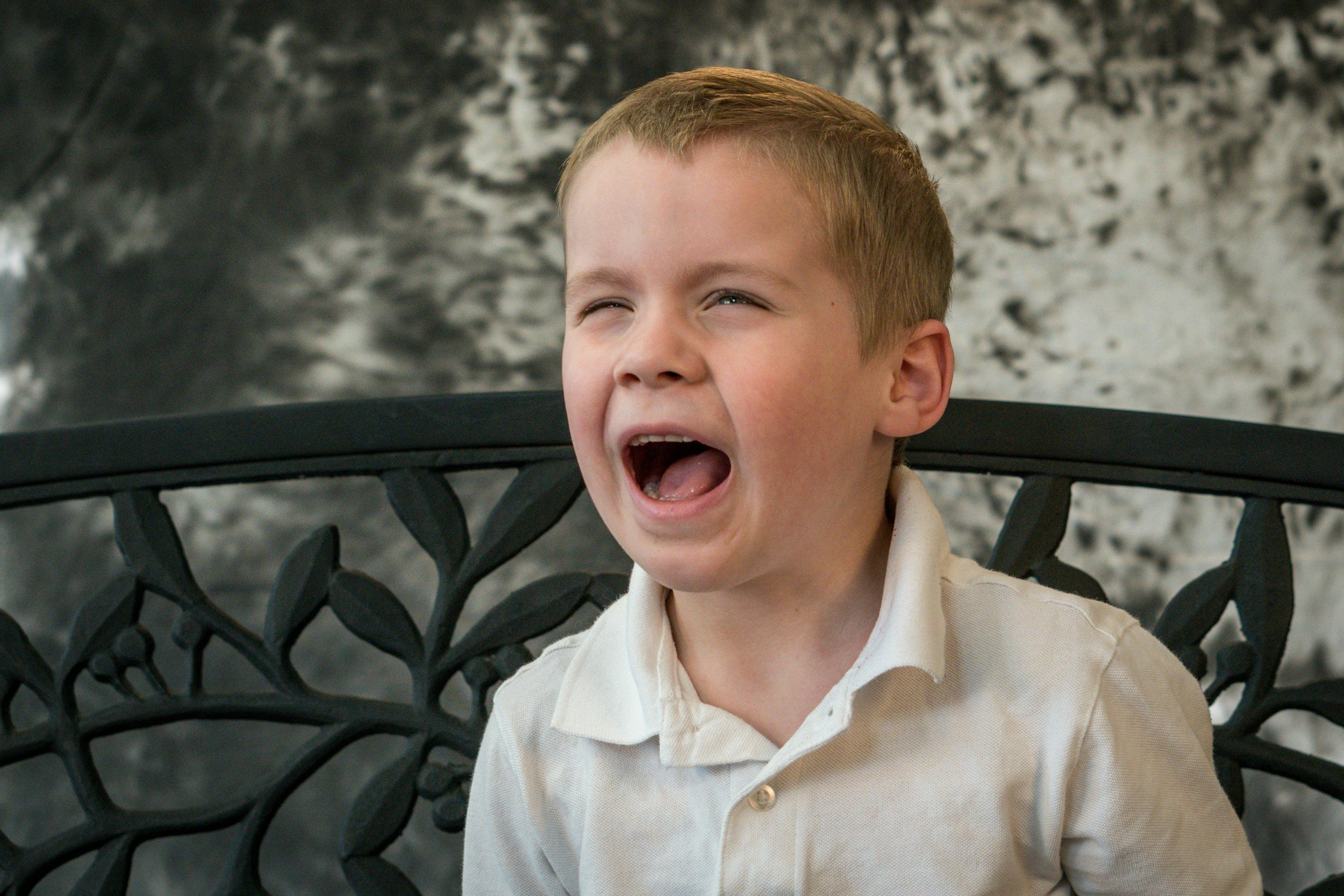
Sometimes distress explodes outward.
It might look like:
Anger or rage
Meltdowns that seem wildly out of proportion
Defiance or refusal
Aggression
Door slamming, yelling, or conflict
School refusal
Irritability
Controlling or rigid behavior
Constant arguments
Suddenly seeming impossible to please

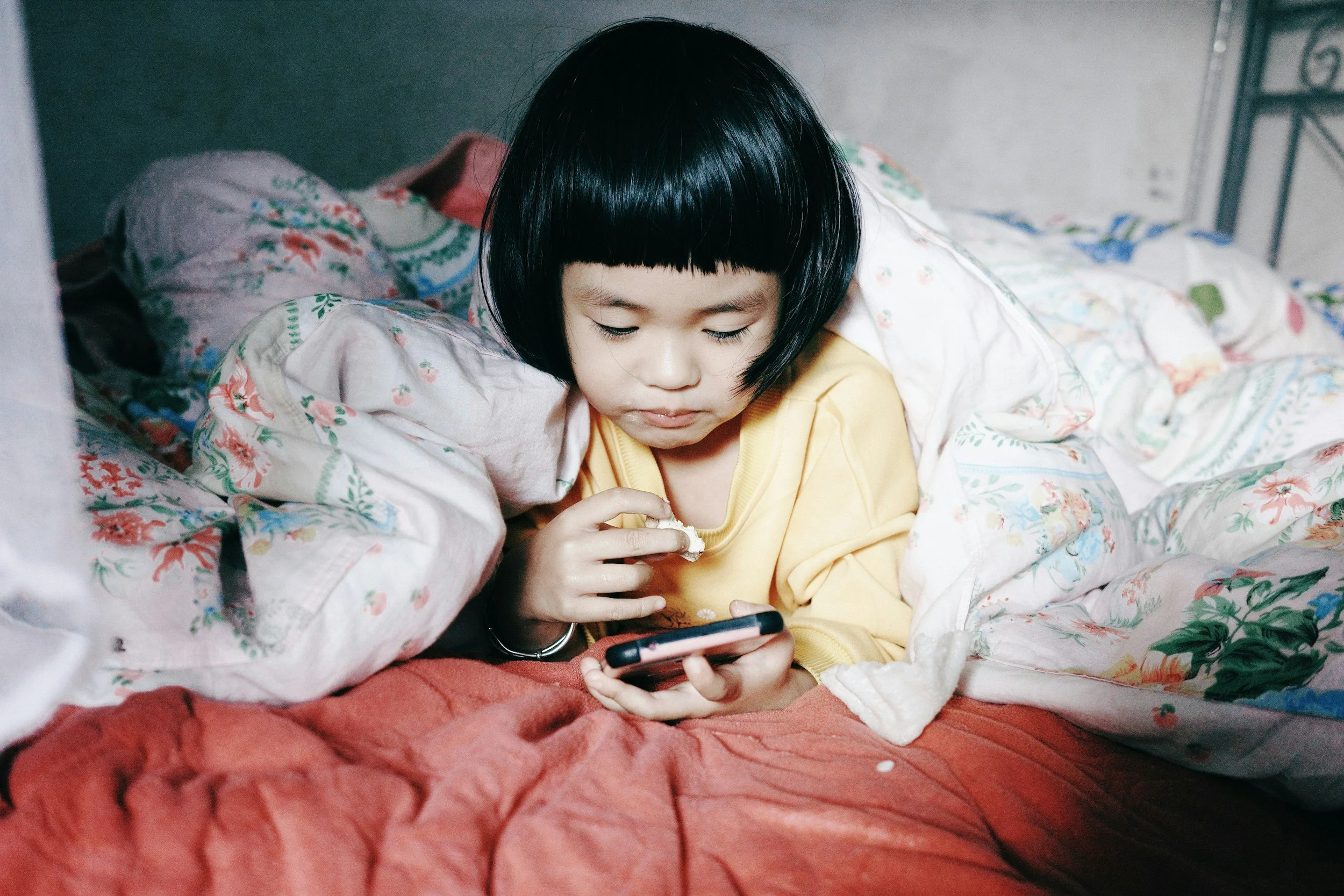
It might look like:
Anxiety or constant worrying
Clinginess
Trouble separating from a parent
Difficulty sleeping alone
Repeated reassurance-seeking
Perfectionism
Fear of disappointing people
Shutting down
Avoidance
Going very quiet
Masking all day and falling apart at home
And sometimes it pulls inward.


And plenty of kids move back and forth between the two.
A child can be furious and scared.
A teenager can look completely checked out while feeling overwhelmed inside.
Behavior gives us information. We get curious about it instead of immediately trying to make it disappear.
Therapy after loss, trauma, and major life changes
Children and teens can be deeply affected by experiences adults sometimes expect them to “bounce back” from.
Therapy may be helpful after:
The death of someone important
Divorce, separation, or changes between caregivers
Moving or changing schools
Loss of friendships or important relationships
A frightening or traumatic experience
Medical experiences or hospitalization
Changes in family structure
Unexpected separation from someone they love
Other major transitions that have changed their sense of safety or stability
The goal is not to make your child forget what happened or stop having feelings about it.
We help their nervous system begin to make sense of what happened, build more capacity around the feelings that come with it, and find more room for safety, expression, connection, and choice.
What therapy can actually look like
Therapy with kids and teens does not have to mean sitting upright, maintaining eye contact, and answering:
“So, how does that make you feel?”
For younger children, much of our work may happen through play.
We might build things, tell stories, use characters, draw, move, make things up, go outside, introduce pets, create worlds, or follow whatever becomes important in the play.
With older kids and teens, we may talk.
We may also draw, listen to music, use humor, walk around, fidget, tell stories, use metaphor, notice what is happening in the body, or approach something sideways when going straight at it would be too much.
Sometimes words come first.
Sometimes they come much later.
Both are okay.


And yes, this happens online.
Your child does not have to sit still and stare at me through a screen for 50 minutes.
Please don’t make them.
They can sit on the floor. Move around. Draw. Build something. Go get the stuffed animal they suddenly desperately need. Take the device outside. Show me the dog. Look away. Pace. Crawl under a blanket.
I have seen plenty of ceilings, floors, nostrils, dark screens, stuffed-animal close-ups, blanket forts, and the undersides of furniture.
I’m fine.
For some kids, being in their own environment is actually part of what helps.
They have their own toys and comfort objects nearby. They know the room. They have more control over movement and physical distance. And some children are simply more able to let another person in when they don’t also have to manage that person physically being in their space.
Sometimes a little more distance makes connection easier.
Virtual therapy is not right for every kid.
And I’m not going to pretend it is.
I love in-person play therapy, too.
Some kids really do need another person physically in the room. Some need an in-person play space. Some need a level of support, supervision, or crisis care that virtual therapy cannot provide.
If I don’t think telehealth is a good clinical fit for your child, I will tell you.
But many kids and teens do very good work from home—especially when familiarity, autonomy, movement, or control over physical space helps their nervous system settle.
The question is not whether virtual therapy is universally better or worse than in-person therapy.
The question is whether it works for this kid.



Neurodivergent kids are welcome here.
ADHD, autism, AuDHD, PDA traits, sensory differences, giftedness, intense interests, big emotions, unusual communication styles, and nervous systems that do not fit neatly into typical expectations are all welcome.
I am not interested in teaching neurodivergent kids to look less neurodivergent.
We may work with anxiety, regulation, relationships, masking, burnout, self-understanding, grief, trauma, transitions, or the places where being neurodivergent has made an already difficult experience even harder.
The goal is not “normal.”
It is more understanding, more choice, more self-trust, and more room to be who they actually are.
A note about parents
You are important to the work, particularly with younger children.
But your child’s therapy is still their therapy.
Depending on age and need, I may have occasional parent check-ins or separate parent sessions so we can talk about patterns I’m noticing, what is happening at home, and anything your child may need from the adults around them.
With teens, privacy and growing autonomy matter. I do not provide parents with a play-by-play of what happens in sessions.
I will involve you when I need to—and especially when there is a safety concern—but I also want your child or teen to know they have a therapeutic relationship that belongs to them.
Child & teen therapy may help with:
Grief and loss
Divorce, family changes, or major transitions
Stressful or traumatic experiences
Anxiety, fears, and clinginess
Anger, meltdowns, and explosive behavior
Shutdown or avoidance
School refusal or school-related stress
Difficulty separating from caregivers
Sleep-related anxiety
Perfectionism and fear of disappointing others
Masking and burnout
Difficulty naming feelings, needs, or boundaries
Changes in behavior after a frightening or overwhelming experience
Difficulty trusting or feeling safe in relationships


Your child’s behavior is telling us something.
That doesn’t mean every meltdown has a profound hidden meaning.
Sometimes a kid is hungry.
Sometimes the Wi-Fi died, their sibling touched their stuff, and the world is obviously ending.
But when a pattern keeps happening—especially after a major loss, transition, or hard experience—it is worth listening more closely.
We don’t have to shame the behavior.
And we don’t have to let harmful behavior run the house, either.
We can understand what is underneath it while still building boundaries, regulation, safety, and new ways of responding.
That is the work.
Ready to begin?
Start with a free virtual consultation.
We’ll talk about what has been happening, what has changed, what you are seeing at home, and whether I think virtual therapy is a good fit for your child or teen.
You do not need to have the whole story figured out before we talk.